

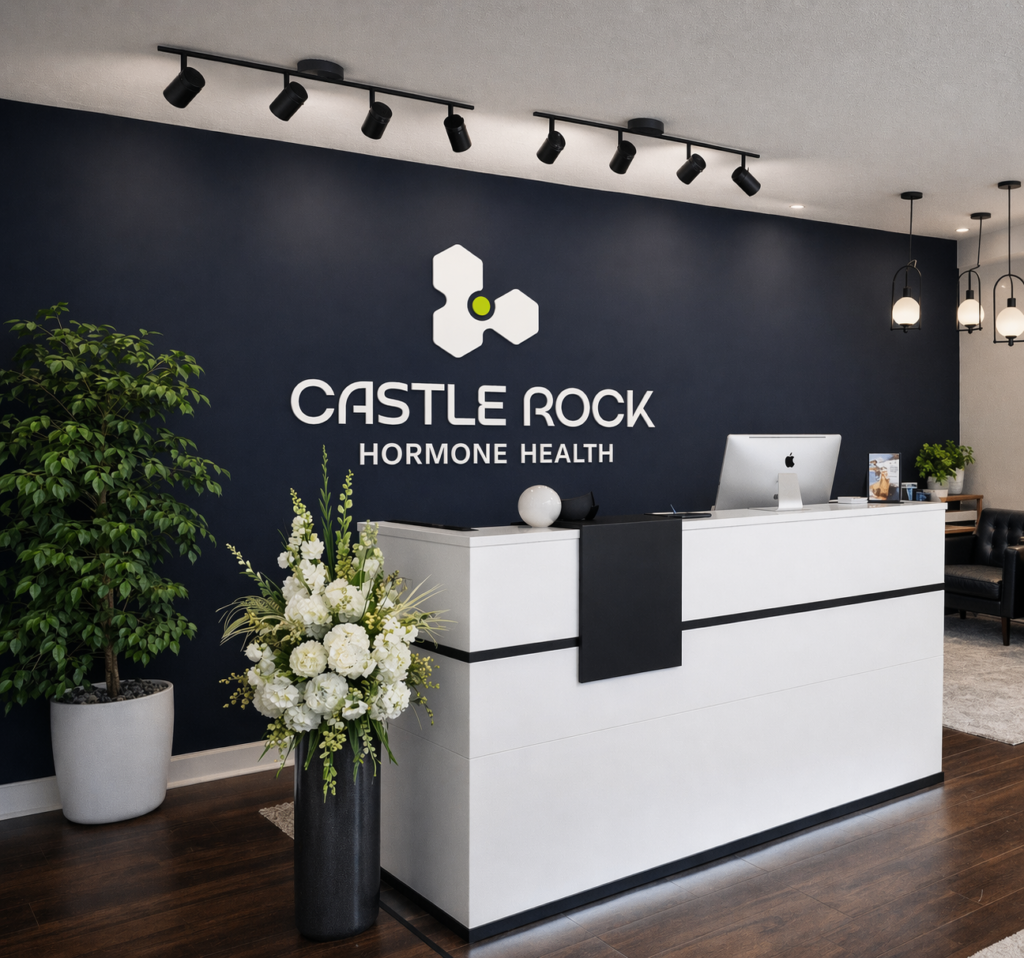
Investors drawn to high-growth sectors such as tech, digital assets, and real estate are paying closer attention to recurring-revenue healthcare businesses. Castle Rock Hormone Health sits squarely in that conversation. The Colorado-founded hormone replacement and optimization franchise has announced plans to open between 100 and 250 clinics in 2026 — and it is not doing it alone.
The partnership powering the pipeline
Hitting an aggressive clinic target requires more than ambition. It requires a qualified operator for every location, and finding those operators is where most fast-growing franchise brands lose momentum.
Castle Rock Hormone Health addressed that problem directly in March 2026 with a strategic partnership with Franchise Sidekick, a franchise consulting and advisory firm that has facilitated more than 10,000 franchise location awards in five years. The firm operates on a model familiar to anyone who has worked with a buyer’s agent in real estate: the advisory service costs franchise candidates nothing, with Franchise Sidekick compensated by the brand once a franchise agreement is signed. That structure reduces friction early in the recruitment process.
Rather than waiting for inbound inquiries, the partnership gives Castle Rock Hormone Health access to a structured recruitment process. Candidates go through financial screening, a proprietary fit survey, territory review, owner validation calls, and a final in-person meeting with the Castle Rock team before signing. Franchise Sidekick requires a minimum in liquid capital and in net worth — thresholds that keep the candidate pool qualified without pricing out the operators the brand actually wants to attract.
“This partnership is about finding franchise owners who share the same commitment to care that’s both data-driven and personal — not just adding locations for the sake of growth,” said Christopher Stolzman, co-founder and CEO of Castle Rock Hormone Health.
Why investors in this category are paying attention
Among the investor profiles watching healthcare franchise models are operators who previously built capital through real estate, fintech, and digital assets such as crypto and blockchain — drawn by the predictable monthly revenue that preventive care businesses tend to generate, according to franchise industry analysts.
Castle Rock Hormone Health’s model aligns with that investor profile. The minimum initial franchise investment sits at $150,000, with a $59,000 franchise fee, a 6 percent royalty on gross sales, and a 5 percent local marketing requirement. For a business generating recurring monthly patient revenue — through regular lab monitoring, ongoing hormone management, and multi-service relationships — that entry cost is relatively modest compared with some comparable health franchise concepts, including competitors whose minimum investments begin above $872,000.
The U.S. hormone replacement therapy market was valued at $6.85 billion in 2025 and is projected to reach $11 billion by 2035. Demand is rising across a wide patient base — from those managing perimenopause and post-menopause to those seeking testosterone optimization — and the gender-inclusive, physician-supervised HRT franchise category at a national concierge level remains, according to Castle Rock Hormone Health, largely unclaimed.
What makes this model different
The competitive field in hormone health franchising is real but narrow. Gameday Men’s Health has built a footprint of 400-plus locations focused exclusively on male patients. Serotonin Centers operates a broader anti-aging and medspa concept at a higher entry investment, beginning above $872,000. Neither covers the full patient population that Castle Rock Hormone Health says it serves — a gender-inclusive model built on physician-supervised protocols developed by co-founder Dr. Lee Moorer, centered on individual lab data rather than standardized treatment menus.
That clinical foundation was in place before franchising began. The company launched its franchise model in February 2024, having already grown its patient base past 10,000 and crossed $10 million in annual revenue at 25 percent year-over-year growth. Those numbers existed before a single franchise agreement was signed.
“Castle Rock Hormone Health was built on the belief that healthcare should be proactive, personalized, and accessible. We’ve worked to create a model that’s replicable and supports a consistent patient experience. Our partnership with Franchise Sidekick is helping to bring that model to more communities,” said Stolzman.
Fast franchise growth rarely comes down to demand alone. It comes down to whether a brand can build a steady pipeline of qualified owners without losing control of the model along the way. Castle Rock Hormone Health is betting that its alliance with Franchise Sidekick can do exactly that. If the company reaches even the lower end of its 2026 target, the partnership will stand as one of the clearest reasons why.